
Quick Answer
A loss of hot water can have several causes depending on whether the heater is gas, electric, tank or tankless. Possible issues include power or fuel supply, heating components, controls, sediment, equipment condition or demand that exceeds the heater's available capacity. The pattern matters, including whether there is no hot water at all or it simply runs out faster than expected.
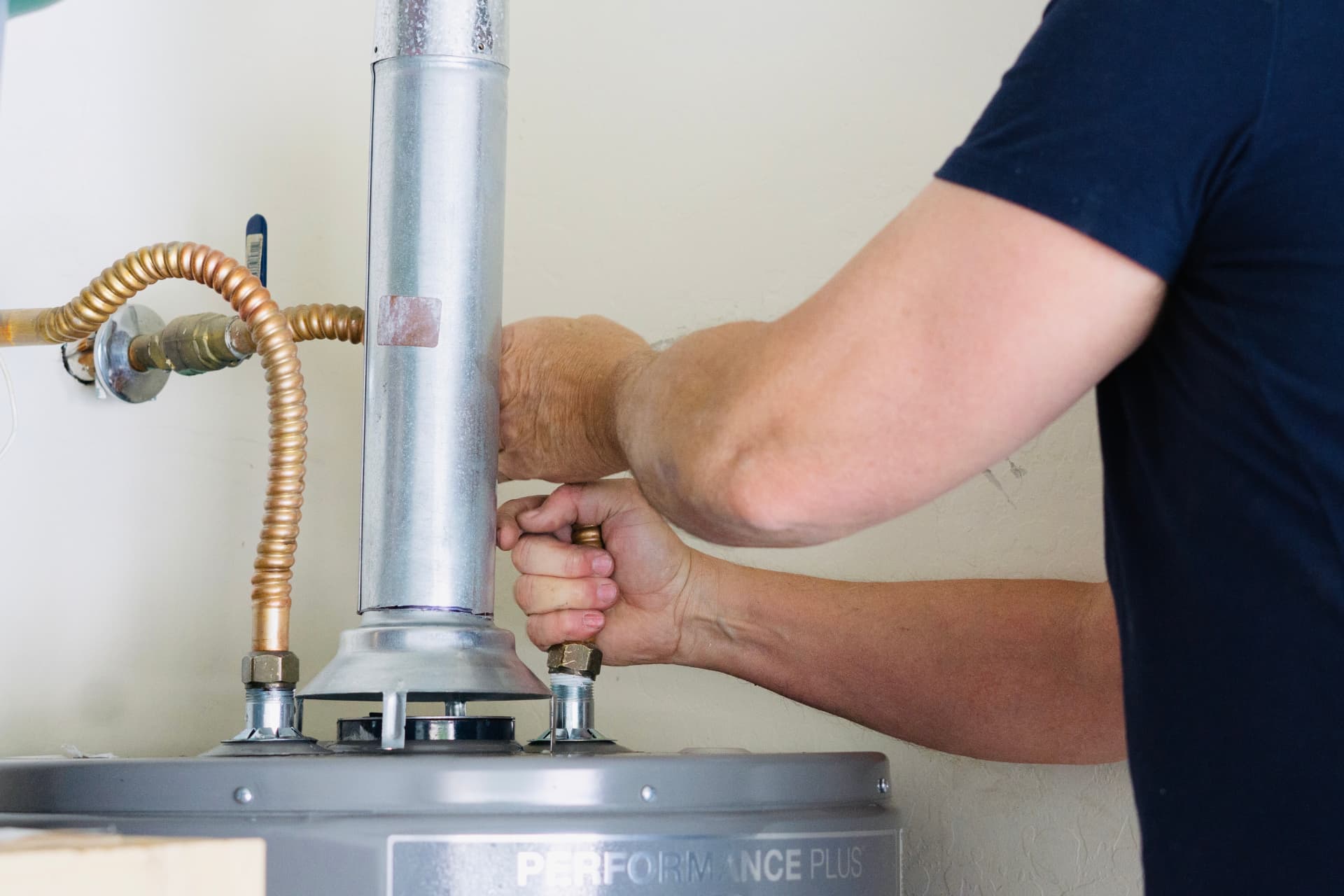
No hot water at all
A complete loss usually points to the heater itself, its energy source or its controls. On a gas unit that can mean the gas supply, the pilot or ignition system, the thermostat or the gas control valve. On an electric unit it often involves a tripped breaker, a reset control that has opened, or a failed heating element.
Check the simple, safe things first: whether the breaker for an electric heater is on, whether other gas appliances in the home are working, and whether a tankless unit is displaying an error code. Note anything you find rather than acting on it.
Hot water that runs out too quickly
This is a capacity and performance question rather than a total failure. Common contributors include sediment accumulation reducing usable volume in a tank, one of two heating elements no longer working on an electric unit, a thermostat set lower than before, a failing dip tube allowing incoming cold water to mix at the top of the tank, or simply more demand than the tank size supports.
Household changes matter here. A new larger shower head, back-to-back showers, a family member added to the household or laundry running during shower time can outpace a tank that was adequate before.
Lukewarm water and mixing issues
If water is warm but never hot, look at whether it affects every fixture or only one. A single shower that never gets hot often involves that shower's mixing valve or cartridge rather than the heater. Water that is lukewarm everywhere points back toward the heater, its thermostat, or a crossover between hot and cold piping.
Tankless units behave differently
A tankless heater does not store hot water, so running out is less common than not keeping up. Symptoms often involve flow rate, simultaneous demand, or maintenance-related issues such as scale buildup. Most tankless units display diagnostic codes, and noting that code before the visit saves time.
Check for visible evidence
Look for moisture on the floor around the unit, corrosion or rust staining at fittings and the tank base, sounds such as rumbling or popping during heating, or discolored hot water at fixtures. Do this without removing safety covers or working on gas or electrical components.
What you can check first
- Note whether the problem affects every fixture or only one.
- Note whether there is no hot water at all or it simply runs out sooner than before.
- Check whether the breaker for an electric heater has tripped.
- On a gas unit, check whether other gas appliances are working normally.
- Write down any error code showing on a tankless or newer unit.
- Look for water, rust or corrosion around the base of the heater.
- Find the age of the unit if it is listed on the data plate.
What not to do
- Do not remove electrical access covers or test heating elements on an energized unit.
- Do not attempt gas control, burner or venting work.
- Do not repeatedly reset a breaker or a high-limit control that keeps tripping.
- Do not raise the thermostat well above normal settings to compensate, which creates a scald risk.
- Do not ignore water pooling at the base of a tank.
What Andy looks for
- Type, size, age and visible condition of the unit
- Energy source, controls and whether the unit is calling for heat
- Heating elements or burner operation as accessible
- Temperature and pressure relief valve and other safety components
- Connections, shutoffs and venting where accessible
- Evidence of sediment, corrosion or prior leakage
- Whether household demand matches the equipment capacity
This maps to the STAR Method points for appliance age, safety components and corrosion.
Read about the five-point STAR MethodWhen to watch it and when to call
- Watch it
- Hot water returned after a breaker was reset once and the unit has performed normally since.
- Schedule service
- Hot water runs out consistently sooner than it used to, water is only lukewarm, or a tankless unit shows a recurring code.
- Call promptly
- There is no hot water at all, water is leaking at or under the unit, you see significant corrosion, or a breaker or safety control keeps tripping.
- Leave and call the gas utility
- You smell gas near the unit.
Bottom Line
No hot water usually points to the heater, its energy source or controls. Hot water that runs out early usually points to capacity, sediment, a component no longer working or increased demand. Note which pattern you have and whether it affects one fixture or the whole house, and leave gas and electrical diagnosis to a plumber.
Related questions homeowners ask
How long should a water heater last?
Service life varies with equipment, water conditions and maintenance. Condition, performance and safety components are reviewed together rather than judging by age alone.
Why does only one shower run cold?
A single fixture that never gets hot usually involves that fixture's mixing valve or cartridge rather than the water heater.
Does flushing a tank help?
Sediment management is part of normal maintenance for many tank units, but on a heater with significant buildup or age, flushing may reveal a condition rather than solve one.
Relevant service: Water Heaters
Inspect, repair, replace, and install residential water-heating equipment.
Learn about Water HeatersReviewed by
Andy Fauver
Texan Plumbing Pros
13+ years of plumbing and leak detection experience
Published September 16, 2026. Last reviewed September 16, 2026.