
Quick Answer
If water is actively escaping and will not stop, the priority is controlling the water source safely. Close the nearest fixture shutoff if the problem is isolated. If that does not stop it, use the home's main water shutoff if you can reach it safely. Keep away from electrical equipment or wiring that has been exposed to water and call for professional help.
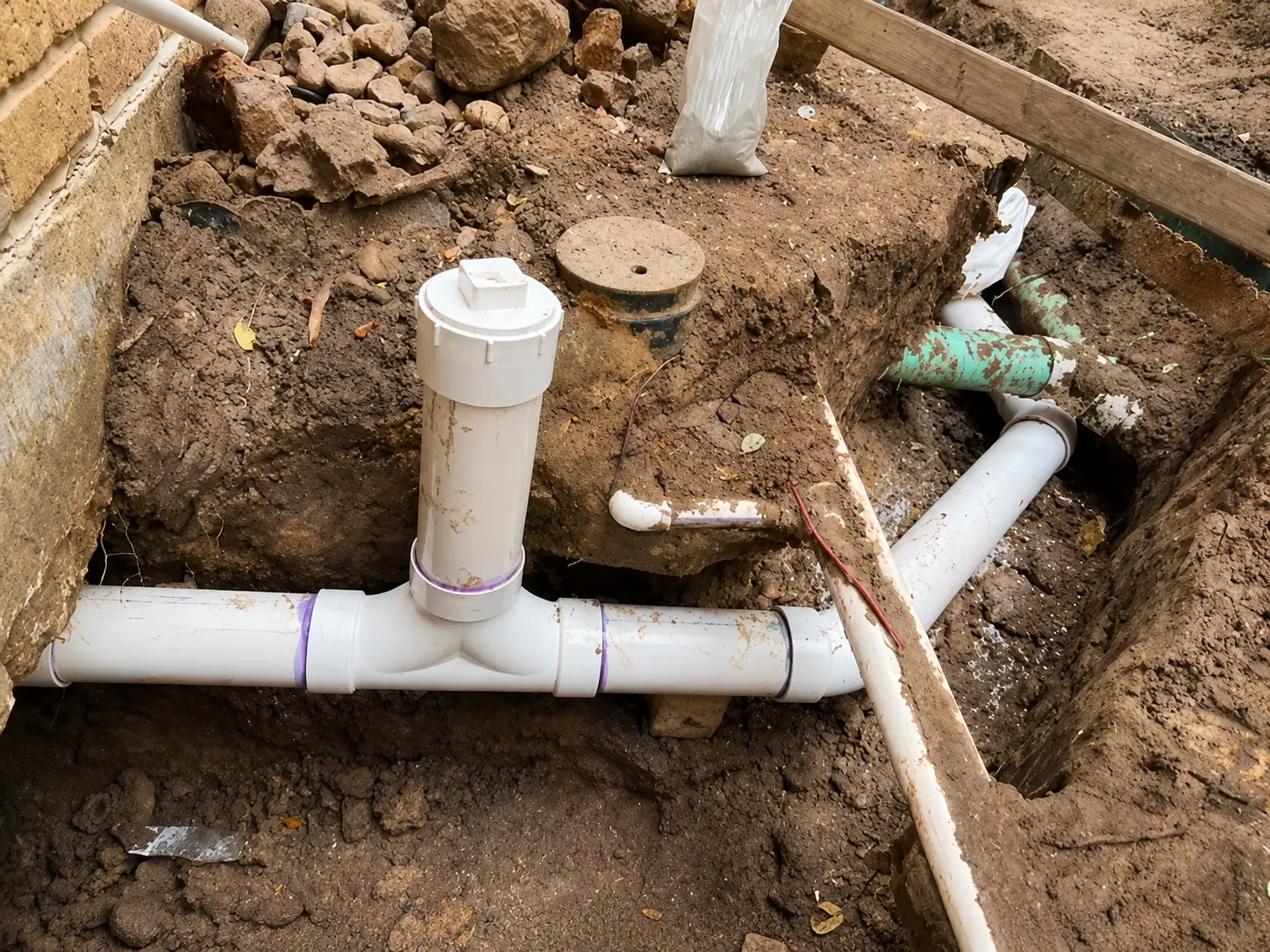
Stop the water if you can do so safely
Work outward from the problem. If the leak is at a single fixture, close that fixture's supply stop, usually found under a sink or behind a toilet. If the leak is at a water heater, close the cold supply valve serving the unit.
If a fixture shutoff does not control it, or the leak is in piping rather than at a fixture, go to the home's main shutoff. In many homes that valve is where the water service enters, often near an exterior wall, in a utility area, or in a box near the property line at the meter. Turn it clockwise unless it is a quarter-turn lever, which rotates a quarter turn to close.
Protect people before property
Do not stand in water near electrical equipment, and do not operate an electrical panel that is wet or surrounded by water. If water is reaching outlets, fixtures, appliances or a panel, treat the area as unsafe and get help rather than trying to save belongings.
If ceiling drywall is sagging under the weight of water, stay out from under it.
Reduce additional damage once the water is off
Practical next steps
- Open a low faucet to drain remaining pressure and water from the piping.
- Move belongings, rugs and furniture out of the affected area where it is safe to do so.
- Photograph and video the damage before cleanup begins, which helps with any insurance claim.
- Start removing standing water and improving airflow if the space is safe.
- Contact your insurer early rather than after cleanup is complete.
- Note the time the leak started and what you shut off, which helps whoever repairs it.
Know your shutoff before you need it
Finding the main shutoff during a calm moment is far easier than locating it while water is spraying. Take five minutes to find it, confirm it turns, and show everyone in the household where it is. If the valve is seized, painted over or buried, that is worth correcting before an emergency, not during one.
Keep a meter key or the right tool nearby if your shutoff requires one, and clear access to the valve so it is not behind stored items.
Texas weather and pipe failures
Not every burst happens in freezing weather, but hard freezes are when many homes in the Houston region discover unprotected exposed piping, hose bibs and attic runs. Knowing your shutoff location before a freeze event, and covering exposed exterior plumbing, are both worth doing in advance.
What to do first, in order
- Close the nearest fixture shutoff if the leak is at one fixture.
- If that does not stop it, close the home's main water shutoff.
- Stay away from any electrical equipment or wiring in contact with water.
- Open a low faucet to relieve remaining pressure in the lines.
- Photograph the damage before moving or cleaning anything.
- Call for service and describe what you shut off and where the water appeared.
What not to do
- Do not operate a wet electrical panel or reach into standing water near outlets.
- Do not use a space heater or open flame to thaw piping.
- Do not force a seized main shutoff hard enough to break it.
- Do not wrap a leak with tape and leave it unattended as a lasting repair.
- Do not begin demolition before documenting the damage.
What a plumber may check
- Whether the water is fully controlled and where the failure occurred
- Pipe material, routing and the condition of adjacent piping
- System pressure, which can contribute to failures at weak points
- Shutoff valve condition, including the main and fixture stops
- Water heater and appliance connections
- Extent of moisture reaching building materials
When to watch it and when to call
- Handle it and schedule service
- A fixture shutoff controlled the leak, nothing else is wet, and the fixture can stay off until it is repaired.
- Call right away
- The main shutoff was needed, the home is without water, or water reached walls, ceilings or flooring.
- Get emergency help first
- Water is near electrical equipment, a ceiling is sagging, or you cannot stop the water at all.
Bottom Line
Control the water at the closest shutoff you can reach safely, keep clear of anything electrical that water has touched, then document and dry the area. The single best preparation is knowing where your main shutoff is and confirming it works before you ever need it.
Related questions homeowners ask
Where is the main water shutoff in most homes?
Commonly where the water service enters the house, in a utility area or garage, or in a box near the meter at the property line. Locating yours ahead of time is the point.
Should I turn the water off at the meter?
The valve at the meter is typically the utility's, and some require a special key. Use your home's main shutoff when one is accessible.
Do I need to turn off the water heater too?
If the water supply to the home is off and the heater could run dry, shutting off power or gas to the unit is a reasonable precaution, and it is worth asking about when you call.
Relevant service: Service Plumbing
Address fixture concerns, plumbing repairs, water pressure issues, and other residential service needs.
Learn about Service PlumbingReviewed by
Andy Fauver
Texan Plumbing Pros
13+ years of plumbing and leak detection experience
Published September 16, 2026. Last reviewed September 16, 2026.