
Quick Answer
Low pressure at one faucet often points toward that fixture, while low pressure throughout the home can involve the water supply, shutoff valves, pressure-regulating equipment, leaks or other system conditions. Start by identifying whether the pressure problem affects hot water, cold water, one fixture or the entire home.
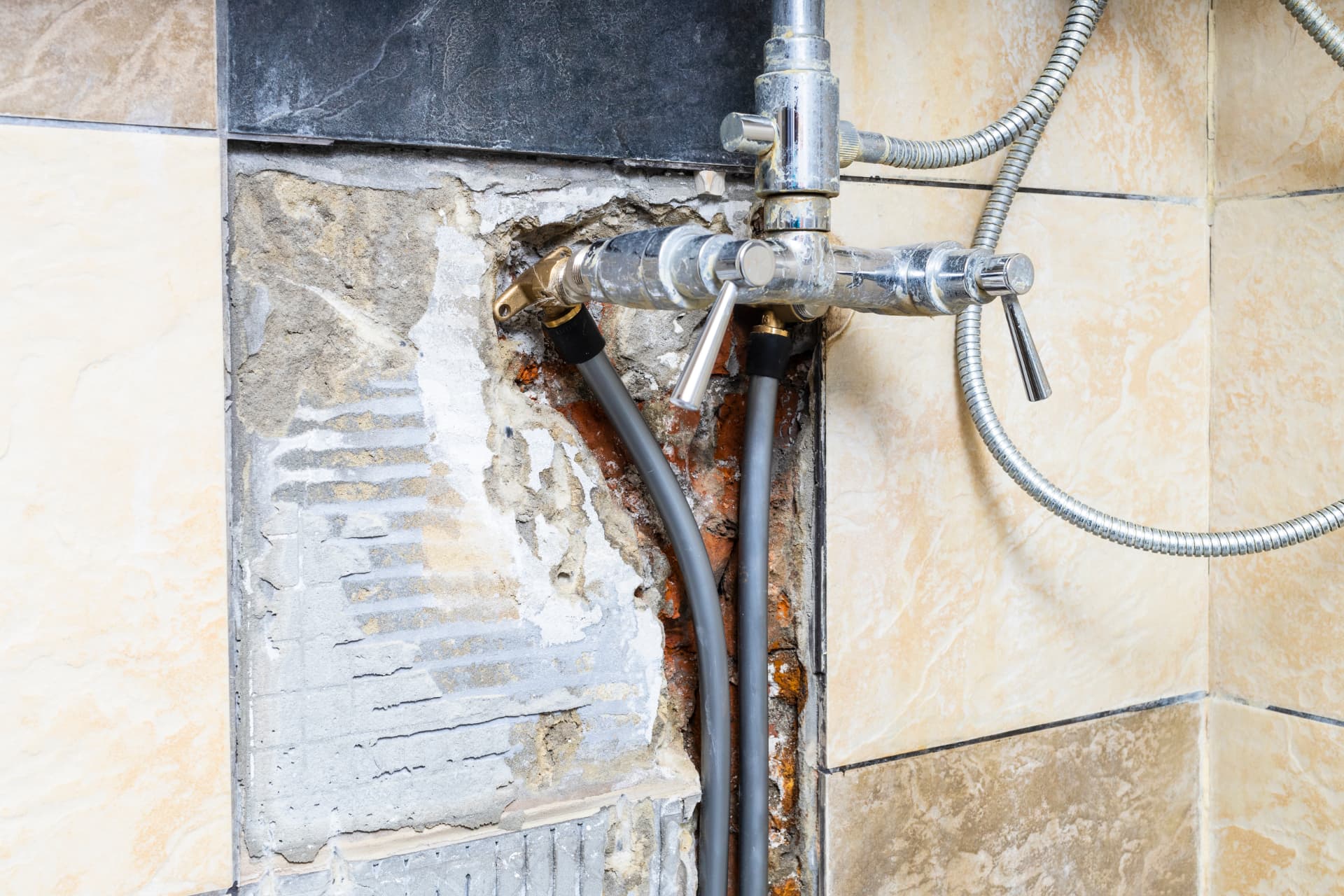
One fixture or the whole house?
This is the most useful distinction available. A single weak faucet or shower usually involves that fixture: an aerator or shower head clogged with mineral buildup, a partially closed supply stop, a worn cartridge, or a restricted flexible connector.
Pressure that is low everywhere shifts attention to the supply side of the system, including the main shutoff position, a pressure-regulating device if the home has one, the water service line, or a significant leak.
Hot, cold or both?
If only hot water is weak, look toward the water heater side, including its shutoff valve, connections and internal condition. If only cold is weak at a fixture, look at that fixture's cold stop and supply. Weak on both usually means something shared upstream.
Did the pressure change suddenly or gradually?
Gradual decline over months often accompanies mineral buildup at fixtures or deteriorating supply piping. A sudden drop is more likely to involve a valve position, a failed pressure-regulating device, work done on the system, a utility-side event, or a new leak.
A sudden drop paired with a wet area, meter movement or a higher bill deserves attention quickly, because those together suggest water is escaping.
Pressure versus flow
Homeowners usually describe both as pressure, but they are different. Pressure is force, flow is volume delivered over time. A fixture can have adequate pressure and still deliver poorly if something restricts flow, such as a clogged aerator or a partially closed valve. This is part of why measuring pressure is only one piece of the evaluation.
High pressure can also be a problem
It is worth knowing that pressure much higher than normal is not a benefit. Elevated pressure stresses connections, fixtures, appliances and water heaters, and it can shorten the life of components. Pressure that is checked during a service call is evaluated in both directions.
What you can check first
- Test every fixture and list which are weak and which are normal.
- For each weak fixture, test hot and cold separately.
- Unscrew and clean the aerator on a weak faucet, or check the shower head for buildup.
- Verify that the supply stops under sinks and behind toilets are fully open.
- Check that the main shutoff is fully open if it is accessible and turns freely.
- Note when the change happened and whether any plumbing work preceded it.
- Check the meter for movement with everything off, in case a leak is involved.
What not to do
- Do not force a stuck main shutoff or pressure-regulating device.
- Do not adjust a pressure-regulating valve without knowing the current pressure reading.
- Do not remove a shower valve cartridge without shutting off the supply to that fixture.
- Do not ignore a sudden drop that comes with a wet area or a higher bill.
What a plumber may check
- Static and running pressure readings at an accessible point
- Shutoff valve positions, including the main and fixture stops
- Pressure-regulating equipment where present
- Fixture components such as aerators, cartridges and supply connectors
- Visible piping condition, material and evidence of corrosion
- Water heater side when the problem is limited to hot water
- Meter behavior and evidence of leakage
Water pressure is one of the five STAR Method inspection points for exactly this reason.
Read about the five-point STAR MethodWhen to watch it and when to call
- Handle it yourself
- A single fixture improved after cleaning the aerator or shower head, or after fully opening its supply stop.
- Schedule an inspection
- Pressure is low throughout the home, only hot water is affected, or a fixture stayed weak after the simple checks.
- Call promptly
- Pressure dropped suddenly and you also see a wet area, meter movement or an unexplained bill increase.
Bottom Line
Map the pattern before anything else: one fixture or all of them, hot or cold, sudden or gradual. Single-fixture problems are often mineral buildup or a partly closed valve. Whole-house problems involve the supply side and are worth measuring rather than guessing at, especially if the drop came with signs of a leak.
Related questions homeowners ask
What is normal residential water pressure?
Homes are typically expected to operate within a moderate range, and both unusually low and unusually high readings are worth addressing. The actual reading at your home is what matters, which is why it is measured on site.
Can a water softener or filter reduce pressure?
Treatment equipment adds components water must pass through, and a clogged filter or a unit in a service cycle can affect delivery.
Why did pressure drop after plumbing work?
A valve left partially closed and debris dislodged into aerators or cartridges are both common after work on a system.
Relevant service: Service Plumbing
Address fixture concerns, plumbing repairs, water pressure issues, and other residential service needs.
Learn about Service PlumbingReviewed by
Andy Fauver
Texan Plumbing Pros
13+ years of plumbing and leak detection experience
Published September 16, 2026. Last reviewed September 16, 2026.